What is the Iftar Program?
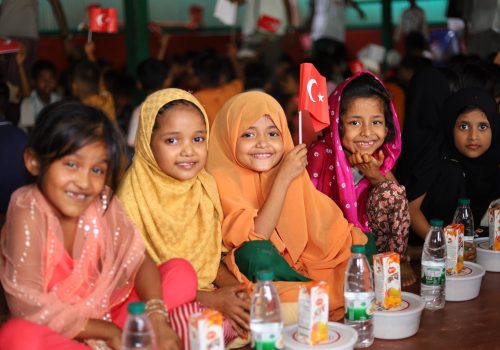
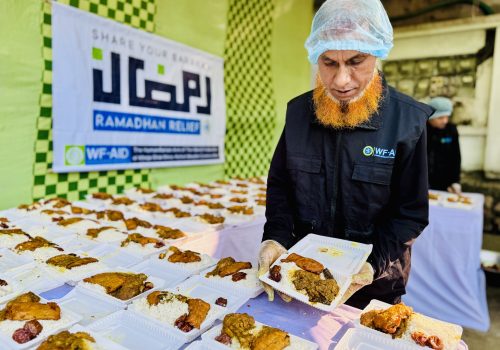
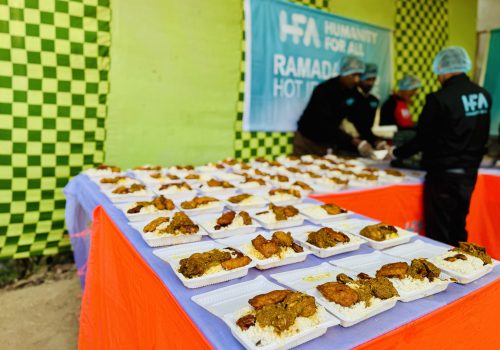
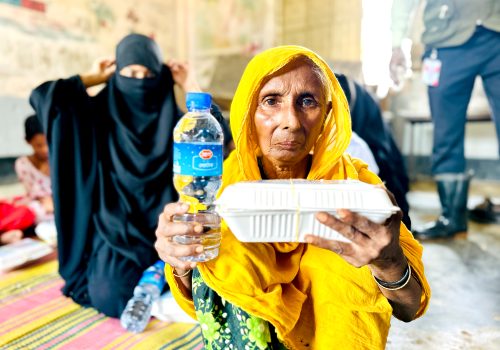
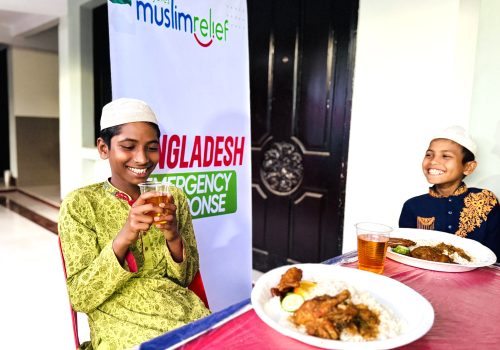
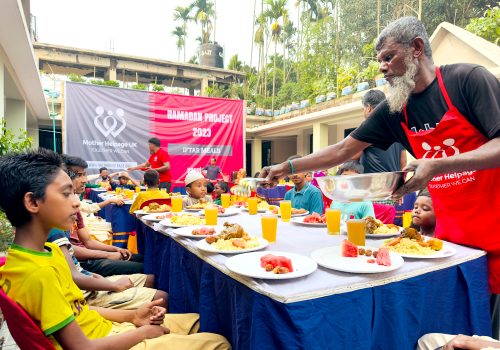
The Iftar Program of the Muslim Welfare Organization is an initiative aimed at providing nutritious iftar meals to underprivileged individuals and families during the holy month of Ramadan. The program ensures that those in need can break their fast with a healthy and satisfying meal, fostering a sense of community and support.
What types of meals are provided through the Iftar Program?
The program offers a variety of nutritious and culturally appropriate meals that typically include:
How does the Muslim Welfare Organization distribute the iftar meals?
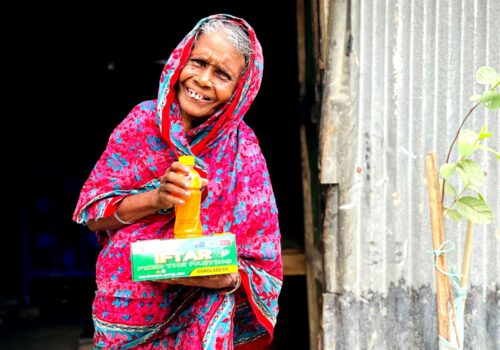
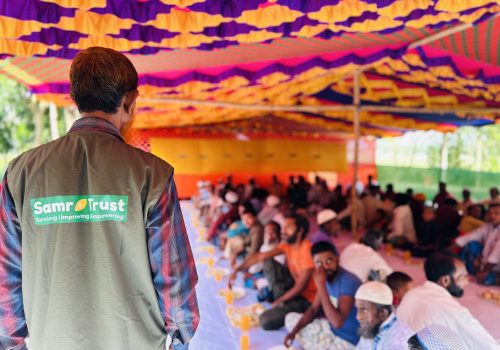
The organization partners with local volunteers, mosques, and community centers to distribute iftar meals. Meals are provided at designated distribution points or delivered directly to the homes of those unable to collect them. The distribution is organized to ensure that meals reach the most vulnerable, including orphans, widows, and the elderly.
Can donors contribute to specific aspects of the Iftar Program?
Yes, donors can choose to support specific aspects of the Iftar Program, such as funding entire iftar meals, contributing to community iftar events, or providing food packs with items for iftar preparation. The Muslim Welfare Organization ensures that donations are used as specified and provides updates on the impact of the donor's contributions.
What is the mission of your organization?
Our mission is to provide humanitarian aid and support to communities in need, focusing on areas such as food security, healthcare, education, and livelihood development.
How do you select and prioritize projects?
We prioritize projects based on the severity of need, potential impact, and alignment with our mission. Our selection process involves conducting needs assessments, consulting with local stakeholders, and evaluating the feasibility and sustainability of each initiative.
How do you measure the success of your projects?
We measure success through predefined indicators and goals, including the number of beneficiaries reached, improvements in quality of life indicators, community feedback, and long-term sustainability of outcomes.
Do you collaborate with other organizations?
Yes, we collaborate with various international and local organizations, NGOs, government agencies, and community-based groups to leverage resources, expertise, and networks for greater impact.