What is the Education Program?
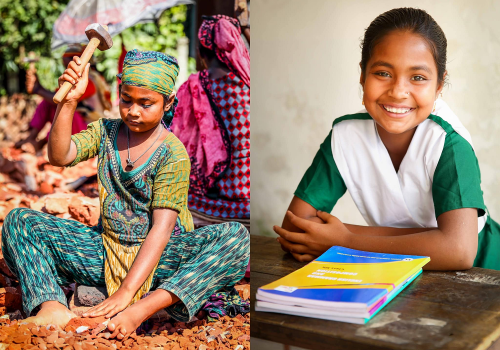
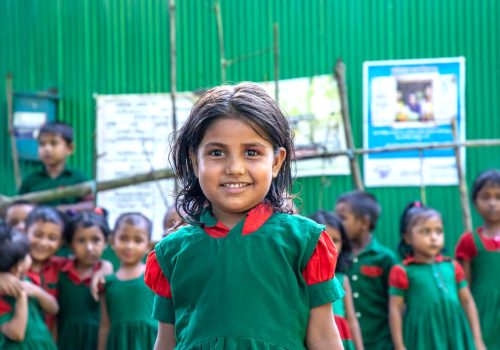
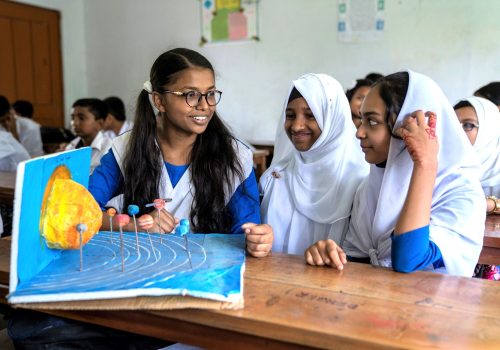
The Education Program of the Muslim Welfare Organization is an initiative aimed at providing access to quality education for underprivileged children and young adults. The program focuses on covering educational expenses, supplying necessary materials, and offering support services to ensure that students can pursue their studies without financial barriers. It aims to empower individuals through education, fostering opportunities for personal and community development.
Who can benefit from the Education Program?
The program is designed to benefit underprivileged children and young adults who lack the financial means to access quality education. This includes orphans, children from low-income families, and those living in impoverished communities. The program prioritizes individuals who demonstrate academic potential and a commitment to their education but are hindered by economic challenges.
What types of support are provided under the Education Program?
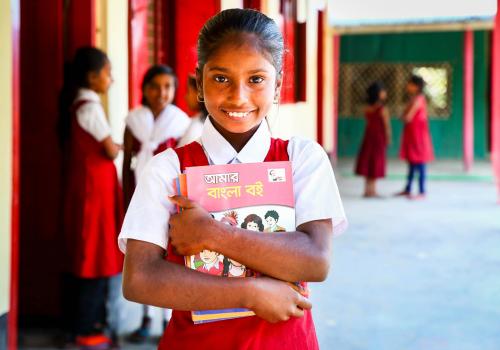
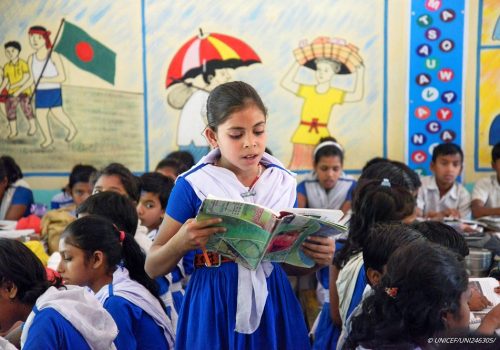
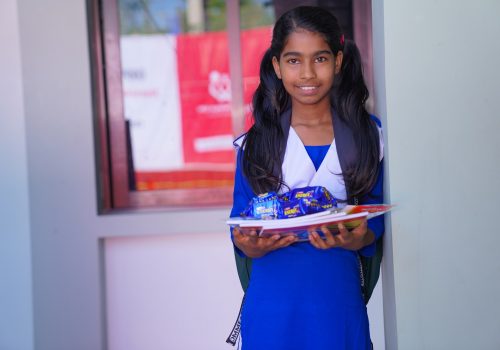
Support under the Education Program includes covering tuition fees, providing books and study materials, school uniforms, and other necessary supplies. Additionally, the program may offer scholarships, mentoring, and tutoring services to help students excel academically. The goal is to remove financial obstacles and provide a supportive learning environment for all beneficiaries.
How can donors contribute to the Education Program?
Donors can contribute to the Education Program by making financial donations, sponsoring a child's education, or providing educational materials and resources. Contributions can be designated for specific needs, such as tuition fees, books, or uniforms. The Muslim Welfare Organization ensures that donations are used effectively to support students' educational journeys and provides regular updates on the impact of donor contributions.
What is the mission of your organization?
Our mission is to provide humanitarian aid and support to communities in need, focusing on areas such as food security, healthcare, education, and livelihood development.
How do you select and prioritize projects?
We prioritize projects based on the severity of need, potential impact, and alignment with our mission. Our selection process involves conducting needs assessments, consulting with local stakeholders, and evaluating the feasibility and sustainability of each initiative.
How do you measure the success of your projects?
We measure success through predefined indicators and goals, including the number of beneficiaries reached, improvements in quality of life indicators, community feedback, and long-term sustainability of outcomes.
Do you collaborate with other organizations?
Yes, we collaborate with various international and local organizations, NGOs, government agencies, and community-based groups to leverage resources, expertise, and networks for greater impact.