
Programs & Supports of New Clothes Program by Donor
NEWS
Frequently Asked Questions
Back
- Program
What is the New Clothes Program?
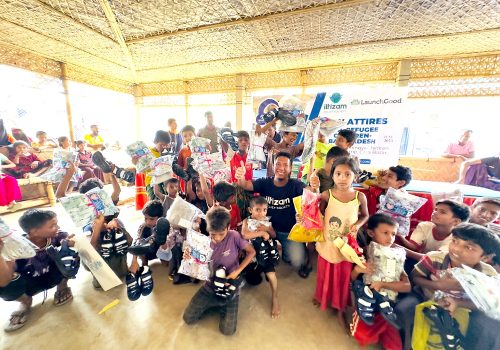
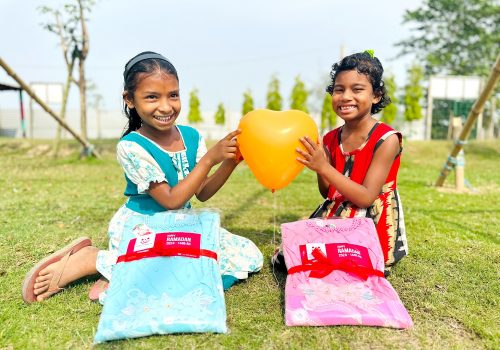
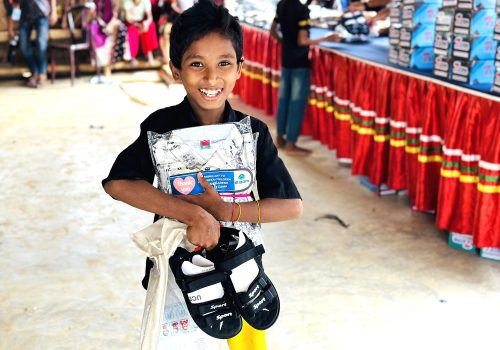
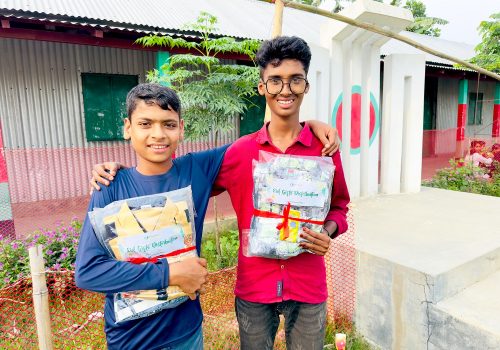
The New Clothes Program of the Muslim Welfare Organization is a charitable initiative designed to provide new clothing to vulnerable individuals and families, particularly during significant times like Eid, winter, or after they have been affected by disasters. The program aims to ensure that those who are less fortunate have access to new and appropriate clothing, helping them feel dignified and included in important celebrations or events, regardless of their financial situation.
- Benefit
Who benefits from the New Clothes Program?
The New Clothes Program primarily benefits individuals and families who are facing financial difficulties, including those living in poverty, the elderly, or displaced persons. The program targets marginalized communities, particularly those who may not be able to afford new clothes for important occasions such as religious festivals, weddings, or seasonal needs, thereby enhancing their sense of dignity and well-being.
- Process
How does the New Clothes Program work?
The New Clothes Program works by collecting donations from individuals, organizations, and partners who contribute new clothing or funds to purchase clothes for those in need. The Muslim Welfare Organization then distributes these clothes to targeted beneficiaries in a fair and transparent manner. The program is often timed around major holidays or seasonal transitions to provide the maximum benefit, ensuring that recipients receive clothes they can use immediately.
- Participation
How can donors participate in the New Clothes Program?
Donors can participate in the New Clothes Program by making financial contributions, which are used to purchase new clothing for those in need. Donors can also contribute new clothes directly to the program. The Muslim Welfare Organization ensures that donations are used effectively, providing updates to donors on the impact of their contributions and the individuals who have benefited from the program.
- Mission
What is the mission of your organization?
Our mission is to provide humanitarian aid and support to communities in need, focusing on areas such as food security, healthcare, education, and livelihood development.
- Priority
How do you select and prioritize projects?
We prioritize projects based on the severity of need, potential impact, and alignment with our mission. Our selection process involves conducting needs assessments, consulting with local stakeholders, and evaluating the feasibility and sustainability of each initiative.
- Measurement
How do you measure the success of your projects?
We measure success through predefined indicators and goals, including the number of beneficiaries reached, improvements in quality of life indicators, community feedback, and long-term sustainability of outcomes.
- Collaboration
Do you collaborate with other organizations?
Yes, we collaborate with various international and local organizations, NGOs, government agencies, and community-based groups to leverage resources, expertise, and networks for greater impact.
