
Programs & Supports of Aqeeqah Program by Donor
NEWS
Frequently Asked Questions
Back
- Program
What is the Aqeeqah Program?
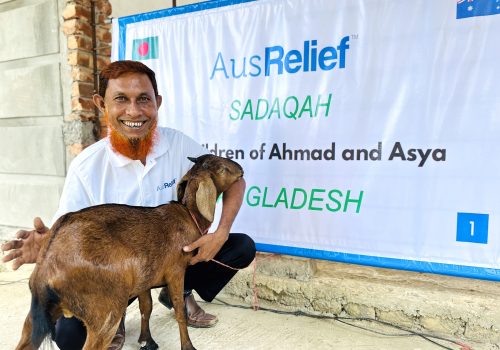
The Aqeeqah Program of the Muslim Welfare Organization is a charitable initiative that facilitates the Islamic tradition of offering a sacrifice to celebrate the birth of a child. The program provides a convenient and cost-effective way for families to perform Aqeeqah, with the meat distributed to underprivileged communities as a form of Sadaqah (charity).
- Process
How does the Aqeeqah Program work?
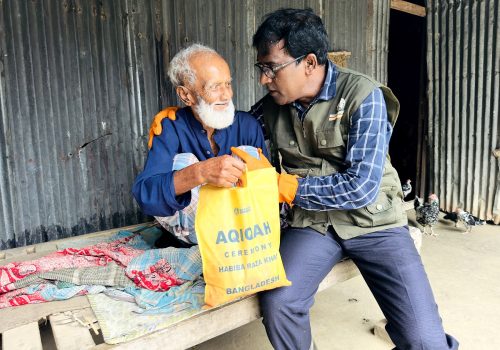
Participants can choose from various sacrificial options (e.g., goats, sheep, or other permissible animals) through the program. Once the payment is made, the Muslim Welfare Organization arranges for the animal to be sacrificed according to Islamic guidelines. The meat is then distributed to needy individuals, including orphans, widows, and impoverished families.
- Distribution
Where is the meat from the Aqeeqah distributed?
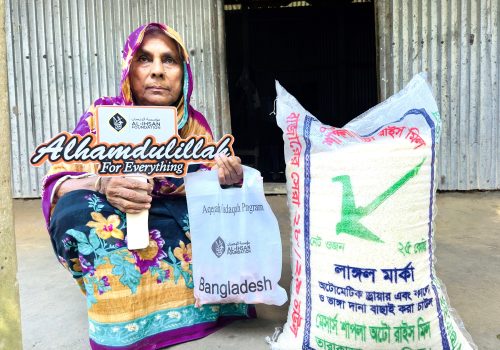
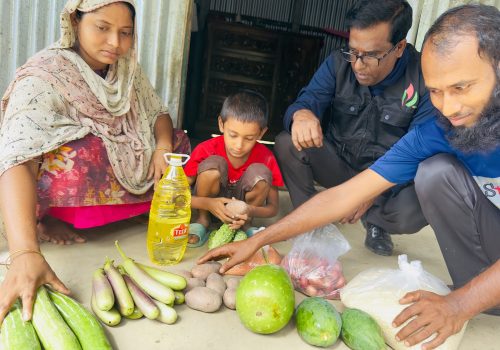
The meat is distributed to deserving communities in areas of greatest need, such as rural villages, urban slums, and orphanages. The organization ensures that the distribution benefits those who struggle with food insecurity and aligns with the donor’s intentions.
- Schedule
Can I choose the date for my Aqeeqah?
Yes, participants can specify their preferred date for the Aqeeqah, and the Muslim Welfare Organization will do its best to accommodate it. Early scheduling is recommended to ensure the availability of resources and timely arrangements for the sacrifice.
- Mission
What is the mission of your organization?
Our mission is to provide humanitarian aid and support to communities in need, focusing on areas such as food security, healthcare, education, and livelihood development.
- Priority
How do you select and prioritize projects?
We prioritize projects based on the severity of need, potential impact, and alignment with our mission. Our selection process involves conducting needs assessments, consulting with local stakeholders, and evaluating the feasibility and sustainability of each initiative.
- Measurement
How do you measure the success of your projects?
We measure success through predefined indicators and goals, including the number of beneficiaries reached, improvements in quality of life indicators, community feedback, and long-term sustainability of outcomes.
- Collaboration
Do you collaborate with other organizations?
Yes, we collaborate with various international and local organizations, NGOs, government agencies, and community-based groups to leverage resources, expertise, and networks for greater impact.
