What is the WASH Program?
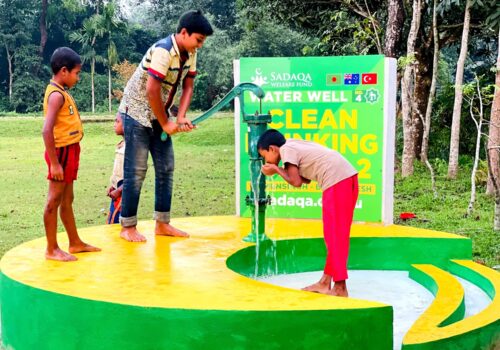
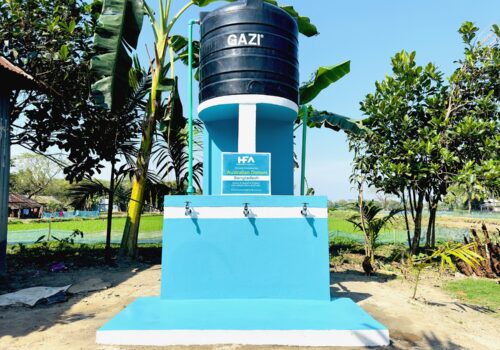
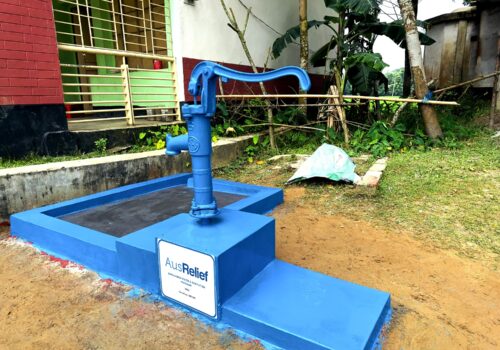
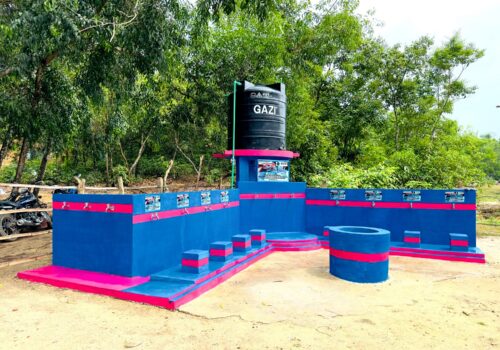
The WASH (Water, Sanitation, and Hygiene) Program is an initiative by the Muslim Welfare Organization aimed at improving access to clean water, sanitation facilities, and hygiene education in underserved communities. The program focuses on enhancing health and well-being by ensuring that communities have the necessary resources and knowledge to maintain good hygiene practices.
What specific activities are included in the WASH Program?
The WASH Program includes a range of activities such as:
How does the Muslim Welfare Organization ensure the sustainability of WASH projects?
Sustainability is achieved through community involvement and capacity building. The organization trains local residents on the operation and maintenance of water and sanitation facilities, ensuring they can manage these resources independently. Regular monitoring and follow-up visits are conducted to address any issues and reinforce good hygiene practices.
Can donors specify how their contributions to the WASH Program should be used?
Yes, donors can choose to allocate their contributions to specific aspects of the WASH Program, such as funding the construction of wells, building sanitation facilities, or supporting hygiene education initiatives. The Muslim Welfare Organization ensures that donations are used as intended and provides detailed reports on the impact of the contributions.
What is the mission of your organization?
Our mission is to provide humanitarian aid and support to communities in need, focusing on areas such as food security, healthcare, education, and livelihood development.
How do you select and prioritize projects?
We prioritize projects based on the severity of need, potential impact, and alignment with our mission. Our selection process involves conducting needs assessments, consulting with local stakeholders, and evaluating the feasibility and sustainability of each initiative.
How do you measure the success of your projects?
We measure success through predefined indicators and goals, including the number of beneficiaries reached, improvements in quality of life indicators, community feedback, and long-term sustainability of outcomes.
Do you collaborate with other organizations?
Yes, we collaborate with various international and local organizations, NGOs, government agencies, and community-based groups to leverage resources, expertise, and networks for greater impact.