MWO

Breaking News
In Corporation, We Are Everywhere

Aqeqah

Back

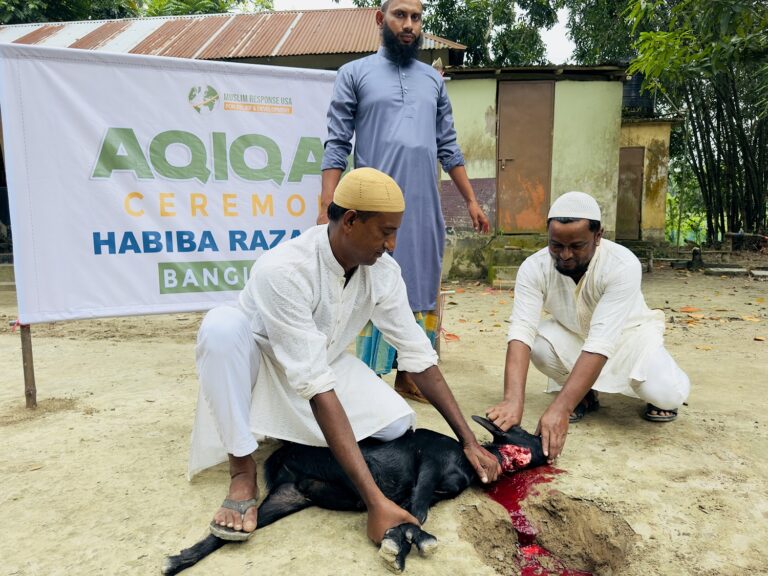
The Islamic custom of offering animal sacrifices as a kind of charity following the birth of a child is known as aqiqah. Parents and guardians perform aqiqah to thank Allah (SWT) for the blessing of a child, protection from Shaytaan, atonement for sins, and the avoidance of disasters.

What is the purpose of Aqeqah?

Back

When a newborn was given to the Prophet Muhammad (peace be upon him) and his companions, they would perform Aqeqah. There are numerous advantages to performing Aqeqah:

     * A child is a great blessing from the Creator, and the birth of the child is celebrated in the family and community.

     * More than just a celebration, the arrival of a newborn in the family invites friends, neighbors, and relatives to join in on this auspicious occasion.

     * Giving food and meat on special occasions to the impoverished would be a good way to involve them in the festivities.

“ The Prophet PBUH said: “Every newborn baby is in pledge for his Aqiqah, a sacrifice is made for him on the seventh day, his head is shaved and he (or she) is given a name ”.
[Abu-Dawood]

Back

Is Aqeqah obligatory?

Back

While the Aqeqah is not required, Muslim parents who can afford it are encouraged to do so because it has many advantages. “Slaughter two comparable sheep for a male newborn and one sheep for a female newborn,” declared the Prophet (peace and blessings be upon him). It is acceptable to slaughter just one sheep in the event that one cannot afford to slaughter two for a male newborn.

When to perform Aqeqah

Back

Offering the Aqeqah sacrifice on the seventh, fourteenth, or twenty-first day following childbirth is advised. In the event that this isn’t feasible, it can be done every day up until puberty.

Which animals to be sacrificed

Back

The animals for Aqeqah and Qurbani are in the same state of condition. Goats, sheep, cows, or camels are the only animals that can be killed for meat. It has to be more than six years old for camels, more than three years old for cows, and more than two years old for goats. Any physical flaws, including blindness, illness, limping, and malnutrition, must not exist in them. The proper humane methods of slaughtering the animals must be followed.

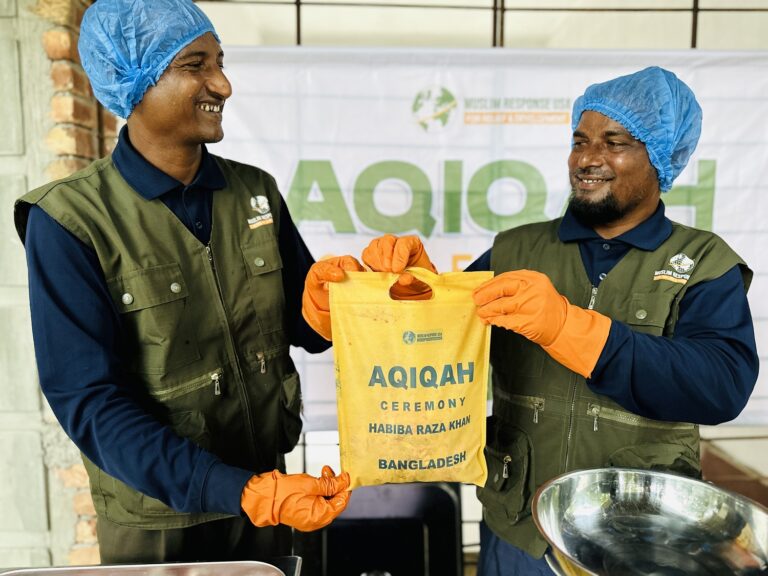
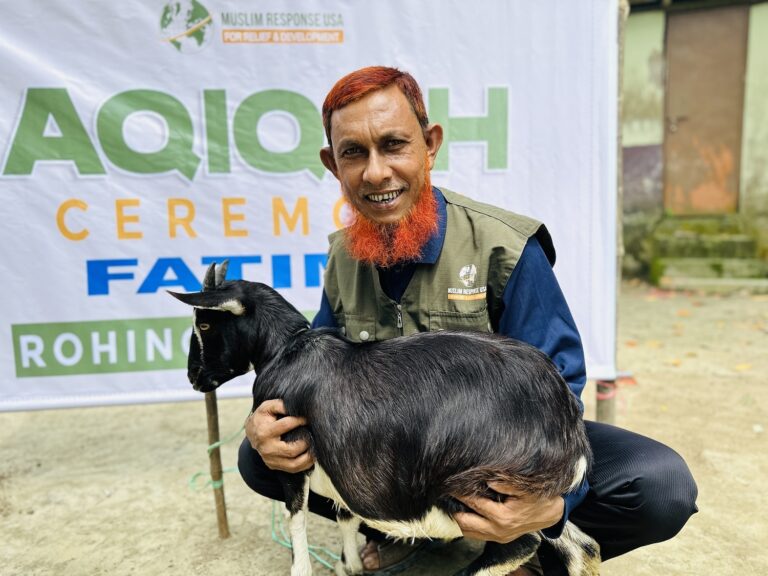
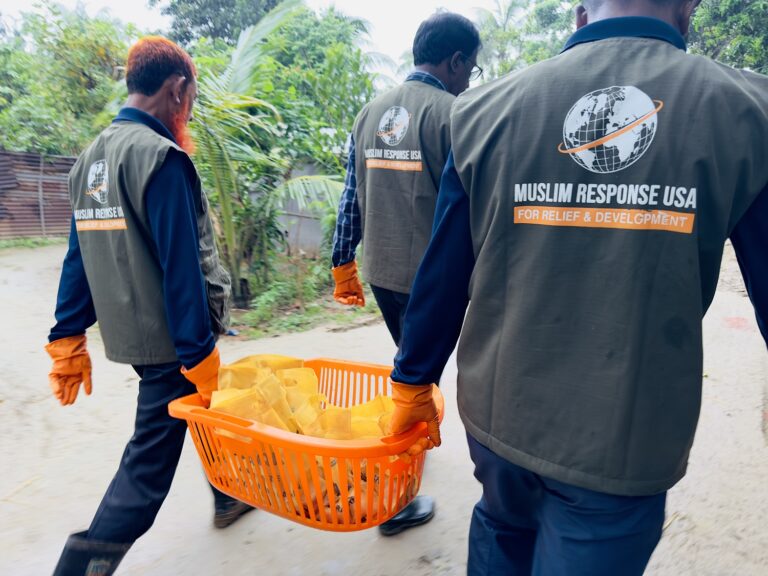
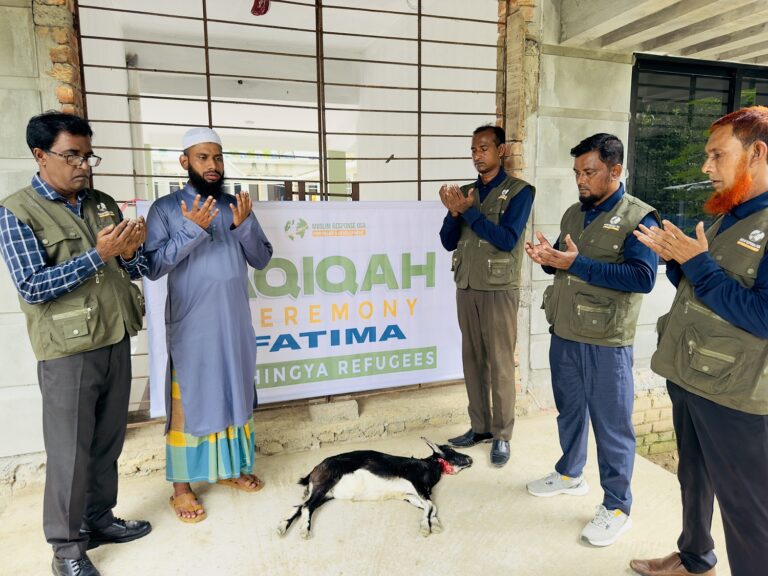
With the best of intentions, we at the Muslim Welfare Organization offer the Aqeqah animal as a sacrifice on your behalf. In accordance with Islamic customs, we guarantee:

     * Animals that adhere to Sharia law are sacrificed 

     * The animals are well-fed and housed in humane, healthy environments.

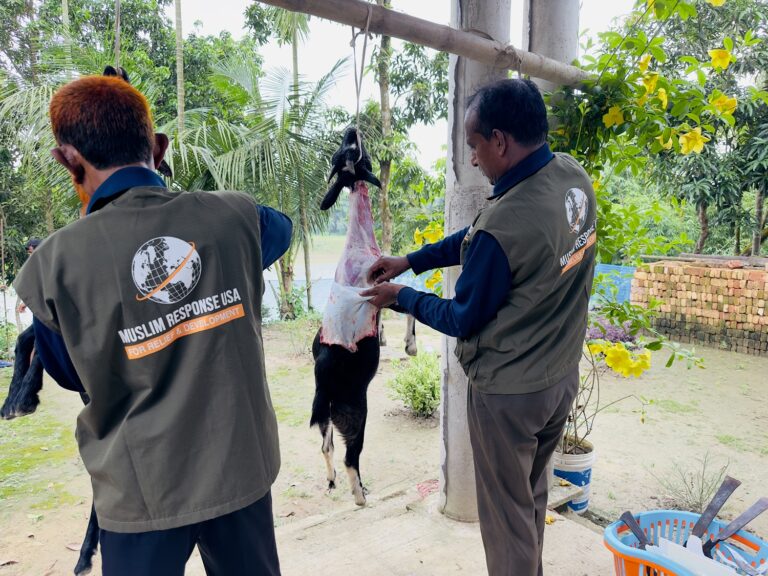
     * The distribution of meat and the process of slaughtering are kept clean.

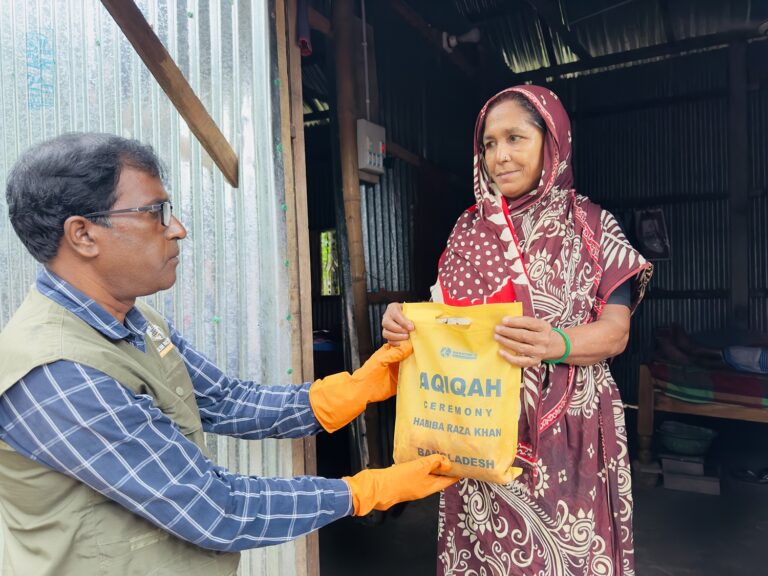
     * Recipients include elderly people, disabled people, widows, and orphans.

     * The Muslim Welfare Organization guarantees that the donor’s selected time frame is followed and is able to sacrifice the Aqeqah animal with a 24-hour notice.  


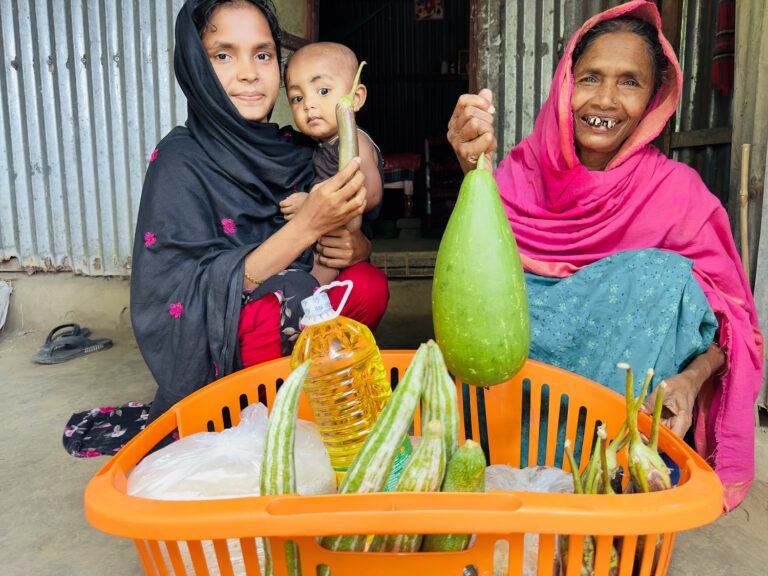
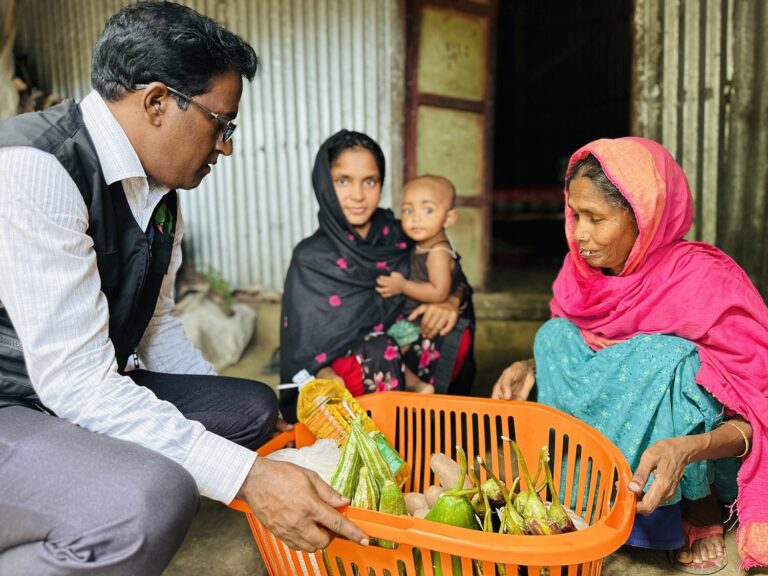
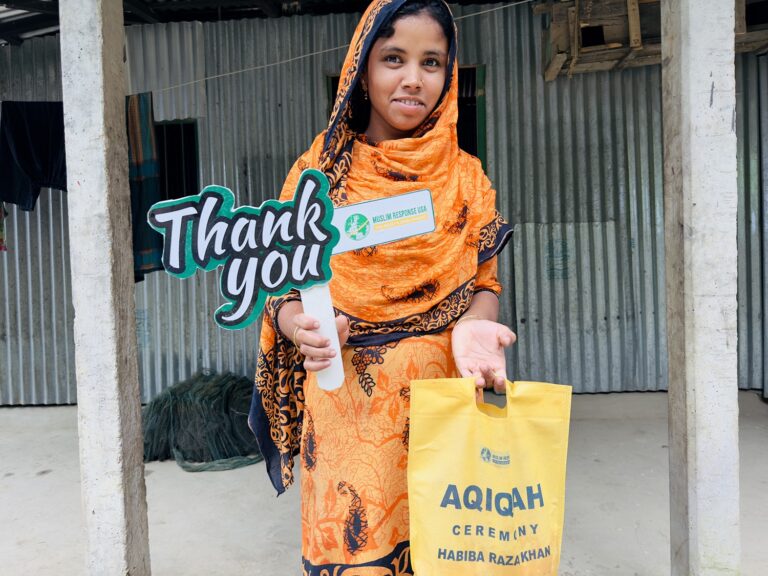
Through Muslim Welfare Organization, you can offer your Aqeqah and spread the blessings and happiness of your beautiful new baby to families in Asia and Africa who are at risk and extremely impoverished.  

Frequently Asked Questions

Back

The Aqeeqah Program of the Muslim Welfare Organization is a charitable initiative that facilitates the Islamic tradition of offering a sacrifice to celebrate the birth of a child. The program provides a convenient and cost-effective way for families to perform Aqeeqah, with the meat distributed to underprivileged communities as a form of Sadaqah (charity).

Participants can choose from various sacrificial options (e.g., goats, sheep, or other permissible animals) through the program. Once the payment is made, the Muslim Welfare Organization arranges for the animal to be sacrificed according to Islamic guidelines. The meat is then distributed to needy individuals, including orphans, widows, and impoverished families.

The meat is distributed to deserving communities in areas of greatest need, such as rural villages, urban slums, and orphanages. The organization ensures that the distribution benefits those who struggle with food insecurity and aligns with the donor’s intentions.

Yes, participants can specify their preferred date for the Aqeeqah, and the Muslim Welfare Organization will do its best to accommodate it. Early scheduling is recommended to ensure the availability of resources and timely arrangements for the sacrifice.

This page is still under construction. Sorry for the inconvenience. We will be right back soon.